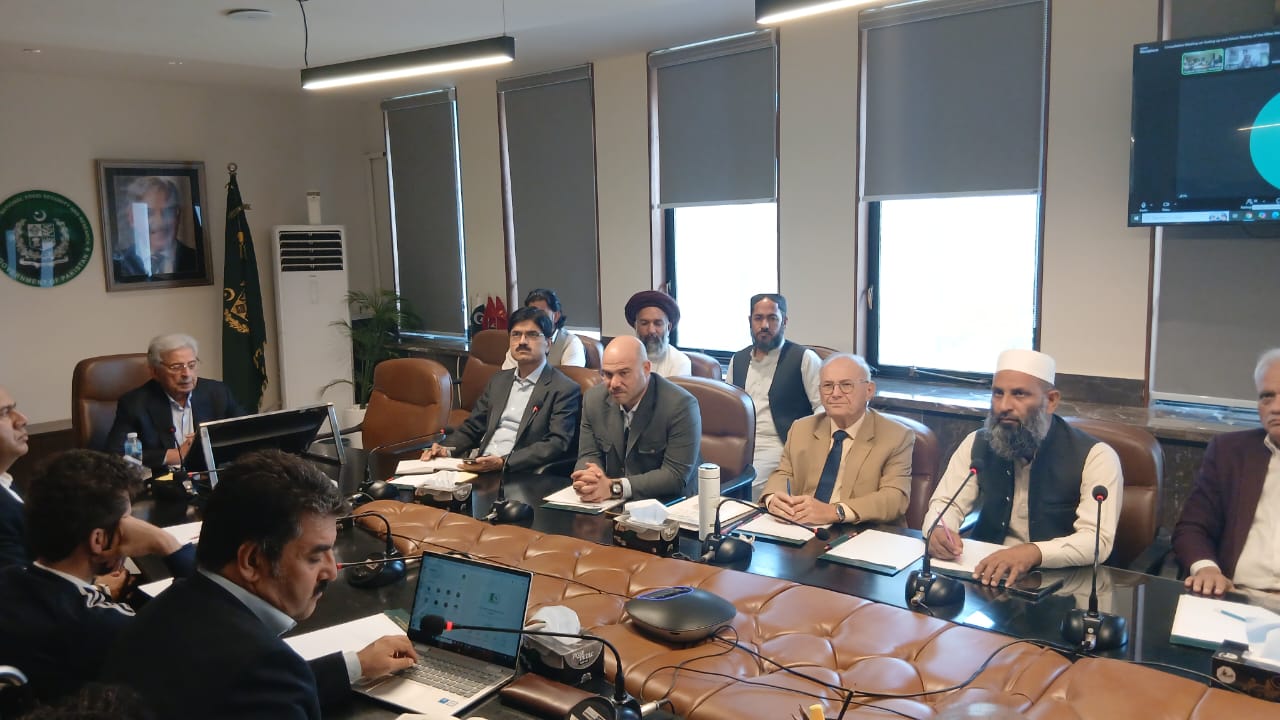
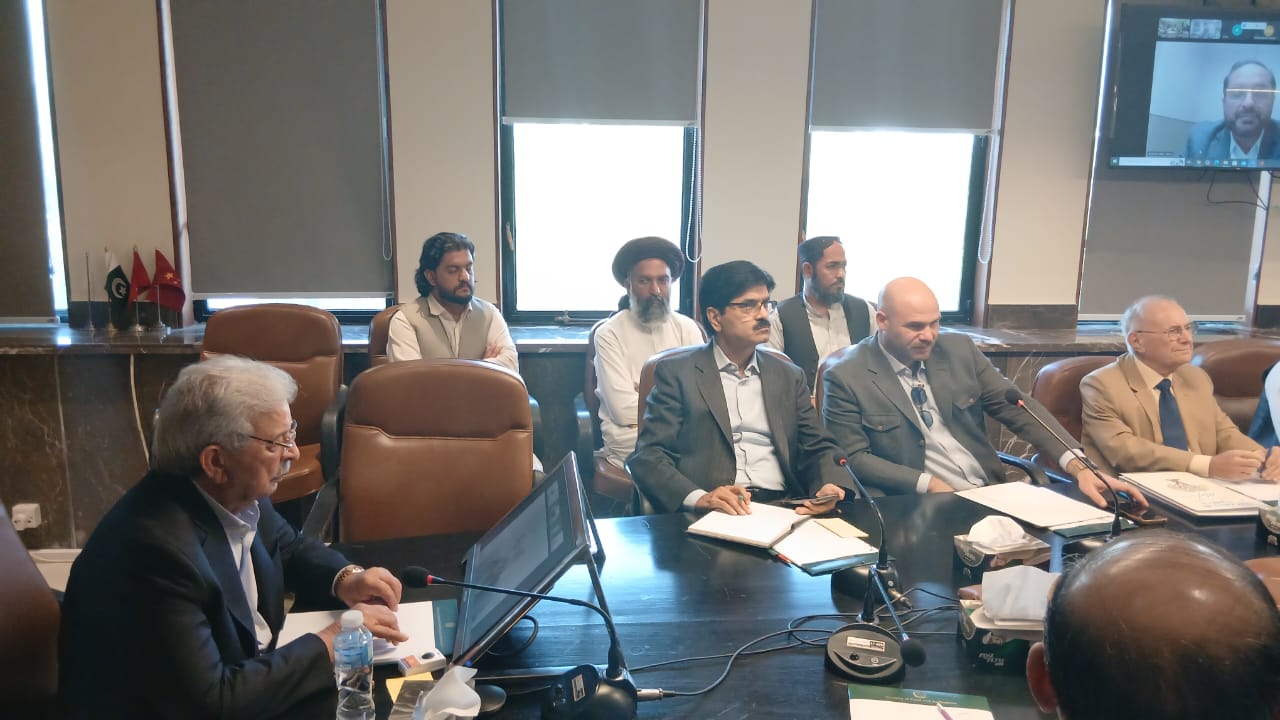
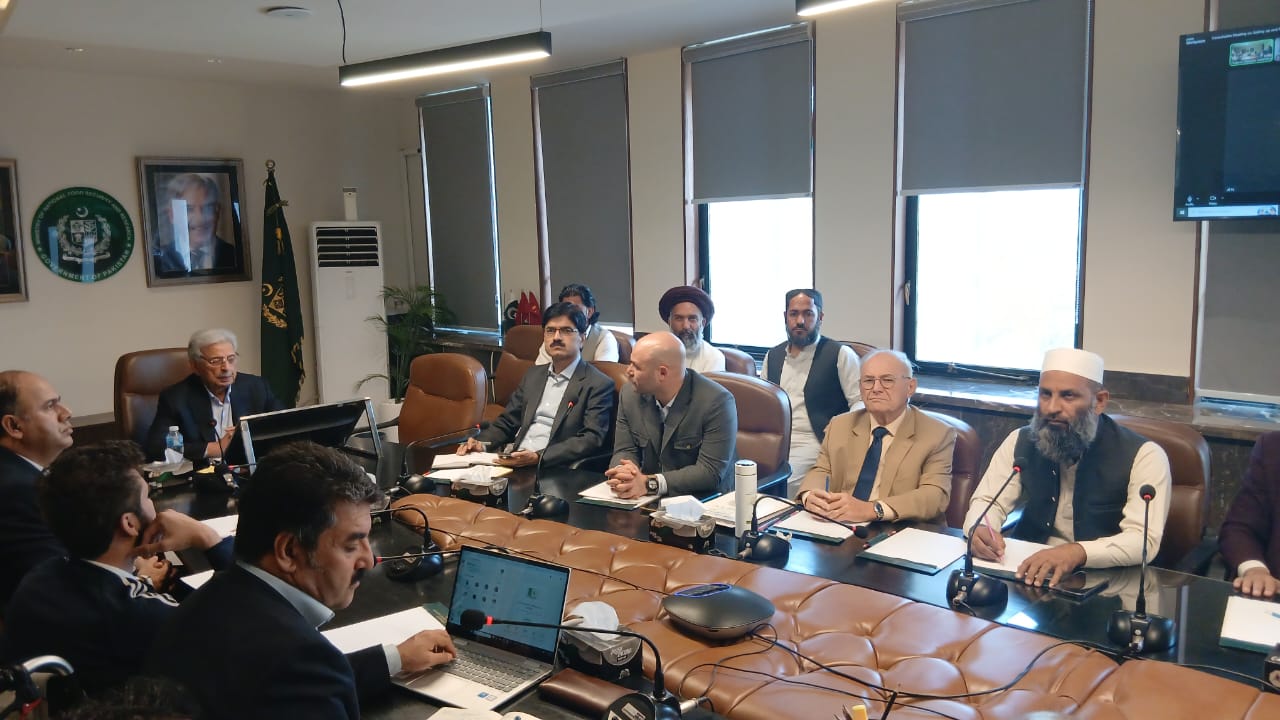
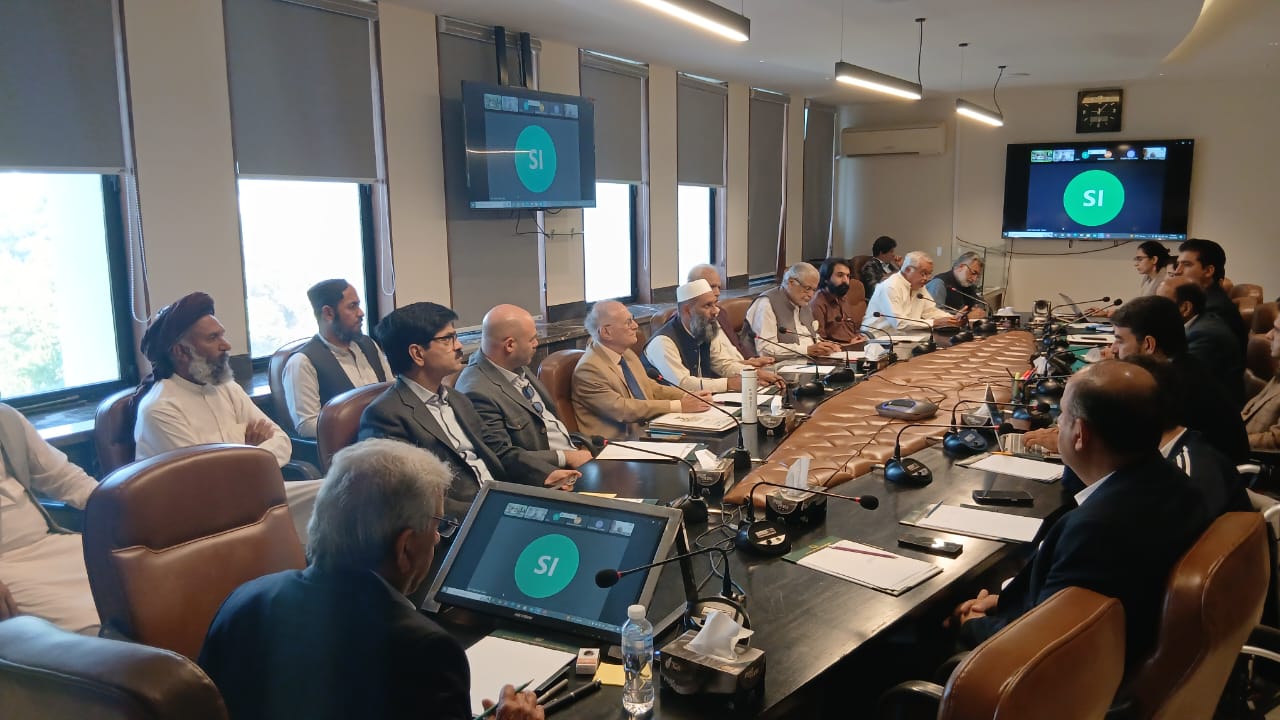
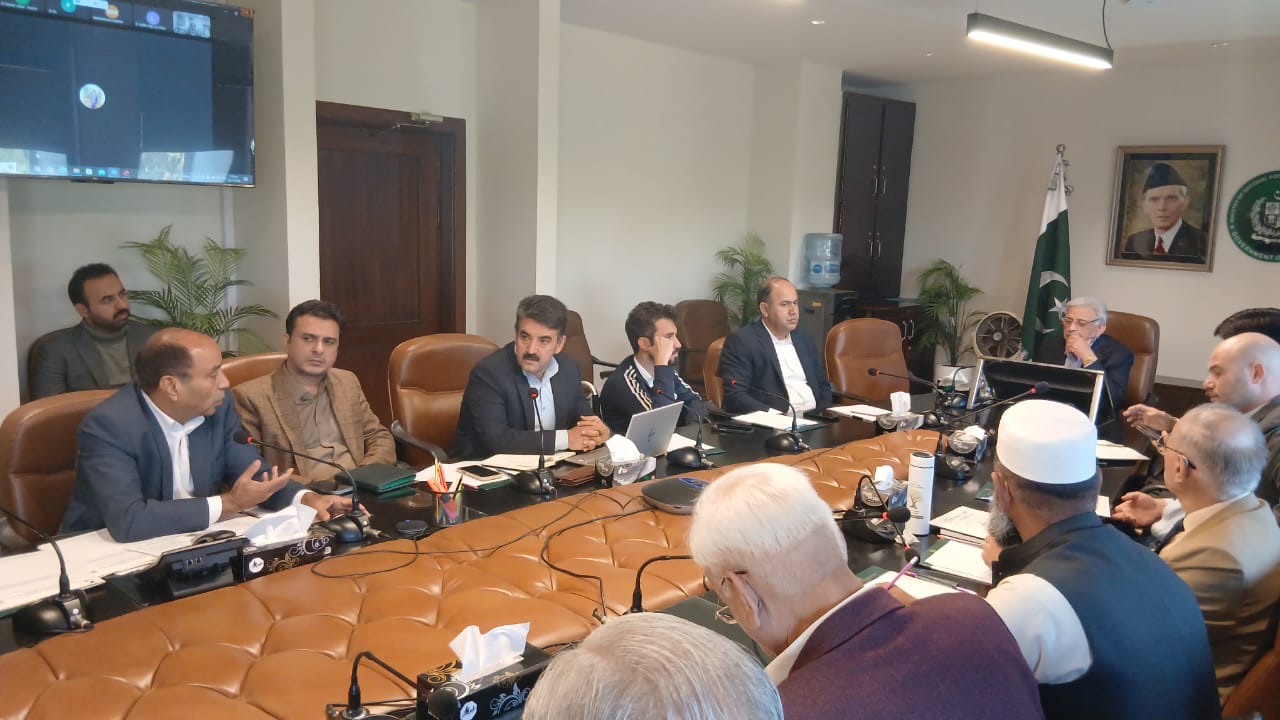
Federal Minister for National Food Security and Research, Rana Tanveer Hussain, chairs a high-level meeting to review olive sector development, focusing on commercial cultivation, modern processing facilities, quality certification, private-sector investment and strengthening Pakistan’s olive industry for domestic and international markets - Islamabad, November 20, 2026
.jpeg)
Government of Pakistan Pakistan to Transform Olive Sector into Commercially Viable, Export-Oriented Industry Through Cluster-Based Development During the meeting, participants emphasised that Pakistan's olive development programme must move beyond the traditional approach of distributing plants and focus on ensuring productive plantations, improved farmer incomes, efficient processing infrastructure and the commercial viability of olive cultivation. The meeting was informed that approximately 7.6 million olive plants have reportedly been distributed across Pakistan , with an annual distribution of around 600,000 to 700,000 plants. However, participants stressed the importance of conducting a comprehensive assessment of plant survival rates, productive plantation areas and the number of fruit-bearing trees to determine the actual economic impact of these interventions. The meeting discussed the development of seven olive clusters aimed at integrating cultivation, harvesting, processing, packaging, storage and marketing facilities. Particular emphasis was placed on expanding olive cultivation in suitable areas, including Loralai in Balochistan, Cholistan, Gilgit-Baltistan and Azad Jammu and Kashmir, through a coordinated, cluster-based development approach. Participants also highlighted the urgent need to revise the existing PC-I to ensure the inclusion of the Pothohar region, which had previously been part of the olive development project but was subsequently excluded. The meeting stressed that future expansion should be guided by agro-climatic suitability, water availability, economic feasibility and market accessibility. The introduction of heat-tolerant olive varieties, efficient irrigation technologies and certified planting material was identified as essential for expanding cultivation into warmer regions. Moroccan olive varieties were discussed as a potential option for areas experiencing higher temperatures, subject to their suitability under local agro-climatic conditions. A major focus of the meeting was the development of a market-driven olive value chain , ensuring that farmers have access to reliable buyers, modern extraction facilities, storage infrastructure and effective marketing channels. Participants observed that plantation expansion alone would not generate sustainable economic returns unless supported by adequate processing capacity and strong commercial linkages. The meeting underscored the importance of private-sector participation in olive processing, packaging, branding, marketing and investment. It was emphasised that the government should primarily play a facilitating role by providing enabling infrastructure, technical assistance, certification systems, capacity building and an investment-friendly environment. The meeting was informed that approximately 56 olive oil extraction units of varying capacities have been established across the country. However, concerns were raised regarding their geographical distribution, accessibility for farmers, seasonal processing congestion, maintenance requirements and operational efficiency. Participants discussed upgrading existing extraction units, installing additional machinery in underserved areas and introducing financial support mechanisms to encourage investment in modern processing technologies. A proposal to provide a 50 percent grant for qualifying olive oil extraction equipment was also discussed to facilitate expansion of processing capacity and promote private-sector participation. The importance of reliable after-sales services, availability of spare parts, preventive maintenance and technically qualified machine operators was particularly emphasised. Participants also highlighted the potential for establishing pomace oil extraction, filtration and other value-addition facilities to minimise processing waste, improve resource utilisation and enhance profitability throughout the olive industry. The meeting reviewed the status of olive nurseries and the availability of certified planting material. It was reported that 11 nurseries are currently registered, while the registration status, certification compliance and production capacity of other nurseries require further assessment. Relevant regulatory institutions, including FSC&RD/NSDRA and provincial authorities, were urged to strengthen coordination for nursery accreditation, plant traceability, source verification and the adoption of internationally harmonised certification standards. The meeting stressed that Provincial Agriculture Departments should be provided with updated lists of registered nurseries, while pending registration applications should be reviewed and processed expeditiously in accordance with applicable requirements. Greater participation of private-sector nurseries and the establishment of multiplication blocks were also encouraged to ensure the reliable domestic supply of high-quality olive plants. Recognising the importance of product quality and international competitiveness, participants emphasised the establishment and strengthening of internationally accredited olive oil testing laboratories capable of ensuring compliance with recognised quality, classification and export standards. Four laboratories were discussed, including facilities associated with the National Agricultural Research Centre (NARC), Tarnab and other relevant institutions. The meeting highlighted the need to strengthen laboratory infrastructure, technical expertise, testing procedures and accreditation mechanisms to enhance consumer confidence and facilitate access to international markets. The shortage of qualified olive milling technicians was identified as another major challenge affecting the efficiency and sustainability of the sector. Participants proposed specialised training opportunities for selected engineers and technical personnel in countries with established olive industries, particularly Italy and Türkiye. The possibility of inviting international experts to Pakistan was also discussed to provide hands-on training in machinery operation, maintenance, troubleshooting and modern olive oil extraction techniques. The meeting emphasised that international cooperation should contribute to the development of sustainable domestic technical capacity. Accordingly, participants proposed a structured national training programme supported by standardised curricula, technical manuals, practical training facilities and certification mechanisms. Strengthening local training institutions and developing a skilled workforce were identified as essential for reducing dependence on foreign technical assistance and ensuring the long-term operational efficiency of olive processing facilities. The meeting further highlighted the need for closer coordination among federal and provincial governments, agricultural research institutions, regulatory bodies, private investors, nursery operators, processors and farmers to ensure the effective implementation of olive sector development initiatives. Participants stressed that future investments should be guided by measurable outcomes, including plantation productivity, farmer profitability, processing efficiency, quality certification, private-sector participation and market development. The meeting concluded with a strong emphasis on shifting Pakistan's olive development strategy from plantation-driven expansion towards a commercially sustainable, quality-certified and export-oriented industry. It was underscored that the next phase of olive sector development should prioritise certified nurseries, productive plantations, integrated olive clusters, modern processing infrastructure, internationally accredited laboratories, skilled technical personnel and stronger domestic and international market linkages. The meeting reaffirmed the importance of developing Pakistan's olive industry as a viable agricultural enterprise capable of generating sustainable income for farmers, creating employment opportunities, encouraging private investment, reducing dependence on imported edible oils and contributing to the country's broader agricultural and economic development.
Ministry of National Food Security and Research
Government Emphasises Certified Planting Material, Modern Processing Facilities, International Quality Standards and Private-Sector Investment
Islamabad, November 20, 2026: The Ministry of National Food Security and Research held a high-level meeting to review progress in Pakistan's olive sector and formulate a comprehensive strategy for transforming olive cultivation into a commercially sustainable, competitive and export-oriented industry. The meeting focused on strengthening the entire olive value chain, from certified plant production and cultivation to harvesting, processing, quality assurance, branding and market access.